

Enter your email below to receive weekly updates from the Ashton College blog straight to your inbox.
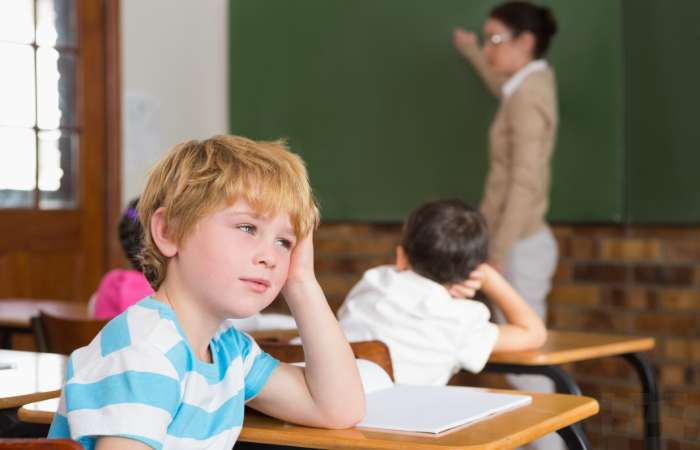
Emotional regulation is one of the most important skills students can develop. It helps them manage frustration, stay focused, work well with others, and persist through challenges. Research shows that teaching emotional regulation through social-emotional learning programs improves both academic and social outcomes. Education Assistants play a key role in helping students practice these skills every day.
Emotional Regulation Boosts Academic Success
Students who can manage their emotions are better able to focus on learning. Studies show that evidence-based social-emotional learning programs improve academic performance and classroom engagement. Students with strong emotional skills complete tasks more consistently and participate more actively in lessons. (casel.org)
Emotional Skills Support Positive Behaviour and Well-Being
Emotional regulation reduces disruptive behaviours and promotes cooperation among students. Programs that teach these skills help students build confidence, reduce anxiety, and strengthen relationships with teachers and peers. (learningpolicyinstitute.org)
Classroom Environment Shapes Emotional Skills
Predictable routines, clear expectations, and supportive relationships create safe spaces for students to practice emotional regulation. A structured and nurturing environment gives learners the security they need to experiment with new coping strategies. (steinhardt.nyu.edu)
Model Calm and Thoughtful Responses
Students learn by watching adults. When Education Assistants respond calmly to frustration or conflict, students observe healthy ways to manage emotions. Using calm language and reflective pauses provides a live example for students to follow.
Embed SEL Strategies in Daily Routines
Teaching emotional regulation works best when it happens regularly. Simple practices include:
Consistent SEL practices help students build skills gradually over time.
Offer One-on-One Support During Emotional Moments
Education Assistants often help students during challenging moments. They can:
These small interventions have a big impact on students’ confidence and ability to self-regulate.
Reinforce Social Skills and Collaboration
Emotional regulation is closely tied to social skills. Education Assistants can help students practice empathy, cooperation, and problem-solving during group activities. Encouraging students to use “I feel” statements or to solve conflicts respectfully strengthens both emotional and social skills.
Be Trained and Prepared
Completing Education Assistant programs equips future EAs with the knowledge and strategies to support emotional regulation in diverse classroom settings. These programs provide practical skills that can be applied immediately to help students succeed academically and socially.
Teaching students to manage their emotions has lifelong benefits. Students who learn emotional regulation:
Support from trained Education Assistants ensures these skills are practiced consistently, reinforcing both emotional growth and academic success. (learningpolicyinstitute.org)
Emotional regulation is a foundational skill for learning and personal development. Evidence shows that students benefit academically, socially, and emotionally when these skills are intentionally taught and reinforced. Education Assistants are vital in supporting students to practice emotional regulation in everyday classroom situations. Through modelling, structured support, and responsive guidance, Education Assistants help students succeed in school and beyond.
The information contained in this post is considered true and accurate as of the publication date. However, the accuracy of this information may be impacted by changes in circumstances that occur after the time of publication. Ashton College assumes no liability for any error or omissions in the information contained in this post or any other post in our blog.